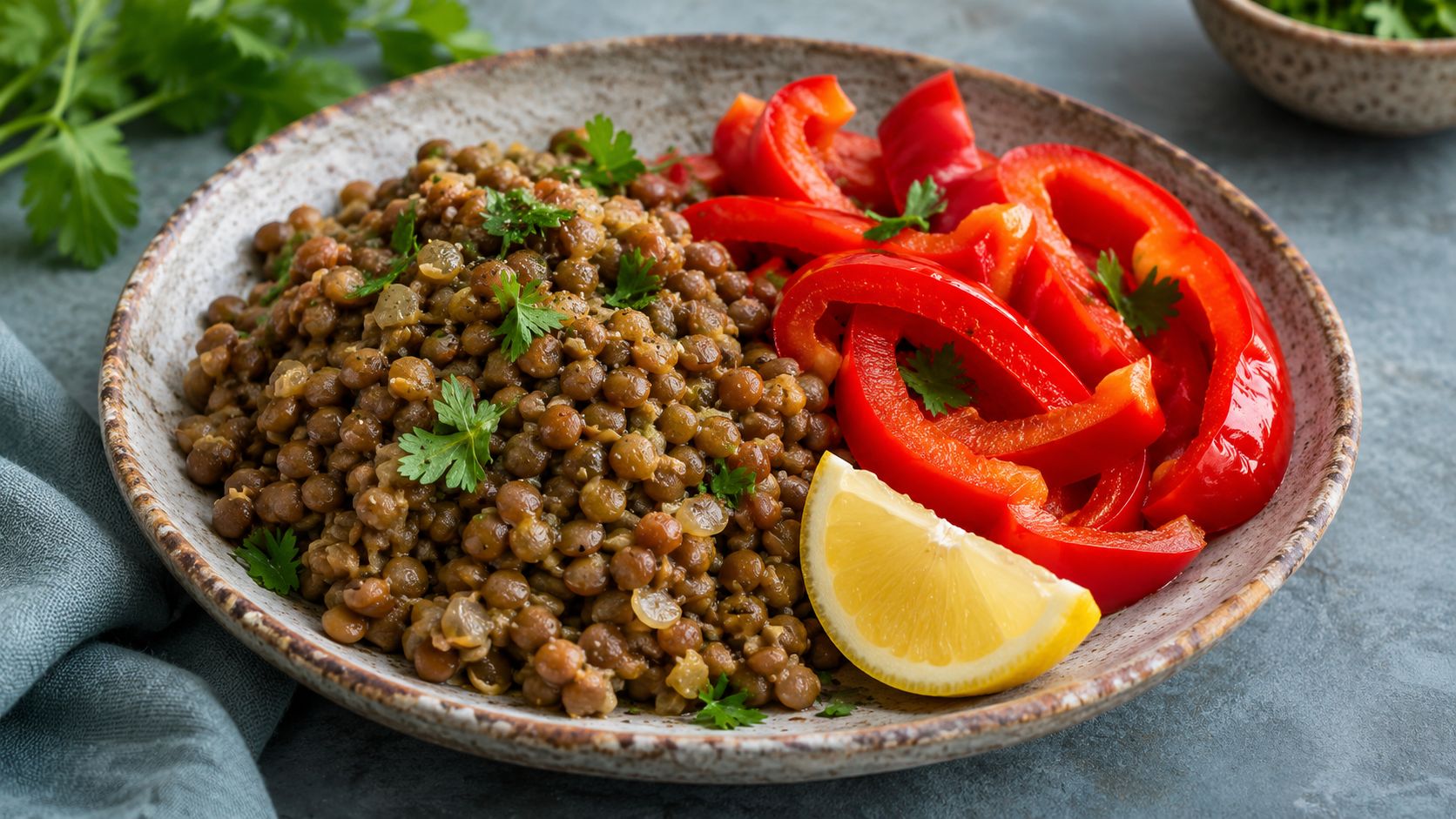
The iron in most plant foods is in the non-heme form. The amount of iron in a food and the amount absorbed by the body are not the same. The composition of the meal, including the presence of a source of vitamin C or certain plant compounds, can affect the absorption of non-heme iron. For everyday use, first find the source of iron in the meal and then see what you can eat with it. If you have questions about iron deficiency or supplementation, nutritional information is only part of an individual assessment. [1] [2] [3]
What does non-heme iron mean?
Iron is found in foods in two main forms: heme and non-heme. Plant-based foods and fortified foods usually contain non-heme iron. Animal sources may contain both forms. The form of iron is one factor that affects absorption. The National Institutes of Health fact sheet explains that heme iron is generally more bioavailable, and other factors in the diet usually affect non-heme iron more. This difference is about the form and conditions of absorption, not the value of a whole food. [1]
If two products have the same amount of iron on the label, it does not mean that the body absorbs the same amount in both cases. The amount consumed, the composition of the entire serving, the individual’s condition, and the method of preparation can all play a role. The percent daily value on the package is also based on the serving size and the labeling basis. This percentage does not indicate how much of that iron you will get. For food comparisons, record the size and unit. For medical decisions, discuss your individual condition with a professional. [1]
Also, “uptake,” “absorption,” and “body stores” are three different things. Intake comes from food and supplements. Absorption refers to the amount the body takes in from the digestive tract. Iron stores and status depend on many other processes, including iron needs and losses. One cannot tell from looking at a single meal whether someone has adequate iron stores. It is best to look at a few typical days together to understand a dietary pattern and rely on clinical assessment to diagnose a deficiency. [1]
Find plant-based sources of iron in the real deal.
Legumes, some whole grains, leafy greens, nuts and some fortified products can contain non-heme iron. The amount varies across types, brands and portion sizes. A practical plan can start with the meals you already eat. For example, look for lentils, bean stew, chickpeas in a rice dish or fortified cereals in your actual menu. Not all of these foods need to be in a single meal. NHS guidelines explain vegetarian and vegan food sources in the context of daily variety. [2] [3]
Compare the amount stated on the package with your actual consumption. If the figure refers to a specific bowl size or serving portion, consider how much of it you are actually eating. If you are purchasing a different fortified product, check the specific label for that version. For foods without labels—if nutritional information is available—pay attention to the difference between dry weight and cooked weight. For instance, 100 grams of dry lentils and 100 grams of cooked lentils do not represent the same amount of the raw ingredient, due to the difference in water content. [1]
For a weekly review, note the source of each meal and keep track of different days. If you eat lunch at work three days a week—and your choices there differ from what you eat at home—relying solely on a list of home-cooked meals will not provide a complete picture. The goal of this exercise is to identify opportunities where making changes to a meal might be easier. For example, you could start by examining the composition of a regular breakfast or lunch, and then move on to foods that are consumed less frequently.
Consider Vitamin C within the same meal.
Vitamin C enhances the absorption of non-heme iron. If your meal includes lentils, beans, or fortified grains, you can also incorporate a food rich in Vitamin C. Your choices will depend on the specific dish and what is available to you. Bell peppers, certain citrus fruits, and various other vegetables or fruits are good options to include alongside your meal. For example, you might serve a salad containing bell peppers with a bean dish, or pair a suitable fruit with a meal that includes fortified grains. [1] [2]
Also, take taste preferences and habits into account. If you are not comfortable pairing a salad with a lentil dish, you can substitute it with a piece of fruit consumed during the same meal. Meals do not all have to follow the same format. For a meal eaten at work, a separate food item might be more convenient than a side dish that needs to be brought from home. If time or access is limited, start with an option that you can consistently incorporate into that meal.
The presence of Vitamin C alongside a meal does not guarantee a fixed amount of iron absorption. The actual absorption depends on the quantity of the vitamin, the composition of the meal, and the individual’s specific health status. Simply adding lemon or a piece of fruit does not necessarily resolve an iron deficiency. Rather, it is a straightforward way to structure a meal to better support the absorption of non-heme iron. If you are following a specific medical or nutritional plan, ask how this adjustment fits in with your other recommendations. [1]
Consider tea, coffee, and phytates within the broader context of your diet.
Certain polyphenols found in foods and beverages can reduce the absorption of non-heme iron during a meal; tea and coffee are common examples often discussed in the context of meal composition. If you typically drink tea with your main meal and wish to optimize your iron intake, you might consider shifting your tea consumption to a different time. For individuals with an iron deficiency or those taking iron supplements, the precise timing should be determined by a healthcare professional or the instructions provided with the medication. [1] [2]
Phytates are found in certain grains and legumes and can reduce the bioavailability of non-heme iron. However, this is not a reason to eliminate food groups that contain phytates. These same foods may serve as sources of iron and other nutrients. When planning a meal, consider the iron source, accompanying side dishes or vegetables, and all other components together. Do not extrapolate findings from a single experiment regarding nutrient absorption from one meal into definitive conclusions about an individual’s overall diet or long-term health status. [1]
If a dish contains both legumes and grains, prioritize safe preparation methods and actual consumption. Altering soaking or cooking techniques may affect the food’s composition, though the outcome varies depending on the specific ingredients and recipes. Do not expect a home recipe to provide precise measurements of nutrient absorption. You can aim for a meal that aligns with your family’s habits while also including a source of Vitamin C. It is often easier to consistently implement a practical change than to follow a complex set of rules for every plate.
What information is useful to share when consulting with a specialist?
If you have a history of iron deficiency, bleeding, or any condition that might alter your iron requirements or absorption, do not limit the discussion solely to a food diary. Keep a record of past medical tests, medications, supplements, and your general dietary patterns. Individual assessment is particularly important during pregnancy, for children, or in cases where symptoms persist. Interpreting test results requires an understanding of your broader medical context and, at times, other clinical indicators. A single test result or symptom is not sufficient for self-diagnosis. [1]
When visiting a specialist, bring along examples of your typical daily food intake, as well as information regarding any fortified products you consume. If you take supplements, note down the name, the dosage listed on the packaging, and how frequently you actually take them. If you happen to forget to take it on certain days, mention this. You might have questions regarding drug interactions, the timing of doses, or the reason for the prescription. Do not alter your dosage or begin taking a supplement based solely on the general advice found in an article. If you are undergoing treatment, review the follow-up instructions with your doctor or pharmacist. [1]
Regarding your meal plan, ask a specialist which specific meal or adjustment best suits your personal circumstances. Frame your notes as a clear, specific question—for example: “I usually have a bean dish for lunch, accompanied by tea. Is it necessary to change the timing of my tea for this plan?” This approach focuses on a specific, actionable behavior rather than seeking a vague or general answer. If you decide to make a change, ask when it should be reviewed and what specific details you need to track.
Follow one example from the point of purchase all the way to your plate.
Suppose you plan to have a bean dish for lunch on two workdays. First, determine the exact portion of the cooked dish you actually place into each container. Next, select a vegetable or piece of fruit that pairs well with this meal and is practical for your workplace setting. If you need to reheat the food, keep any garnishes or fresh vegetables separate, adding them only when you are ready to eat. For your future review, note how many times this combination was actually consumed. While this does not measure individual nutrient absorption, it does demonstrate that the plan—from purchasing the ingredients to the final act of eating—was feasible to implement.
If you are using a fortified product, place a photo of the table next to the serving note. If the model or size changes, check the same number again. If your intake differs from the portion on the package, write down the actual amount. For legumes, information about protein sources can also be used to build a serving, but consider the question about iron on its own merits. The protein content of a product is not a substitute for the iron content or assessment of its absorption.
Keep fortified foods separate from supplements in this review. If both are on the program, recording the source and frequency of intake will help the specialist ask more specific questions about total intake.
Conclusion
Find non-heme iron sources in real meals, read portion sizes correctly, and include a vitamin C-rich food in the same meal if possible. Consider the effect of beverages and other ingredients in the context of your diet. Use individual assessment to help diagnose deficiencies, supplement dosage, and interpret tests.
Frequently asked questions
Is the amount of iron on the package equal to the amount absorbed?
The label number indicates the amount contained in the stated serving. Absorption depends on the combination of the serving and the individual’s circumstances. The percentage printed on the package does not indicate the percentage of absorption. [1]
Should I eliminate all legumes or grains containing phytate?
In a varied diet, these foods can be useful sources of nutrients and iron. Focus on serving composition and actual intake, and consult a professional for personal needs. [1] [2]
What should I do if I have worrying symptoms or test results?
Talk to your doctor for interpretation and bring your test date, medications and supplements, and a few examples of your usual meals. Don’t diagnose based on a symptom or food list. [1]
How do I know if a product is fortified with iron?
Read the ingredients list and the table of contents of the same product. Look for iron and its amount in specific units. Enriched with another ingredient does not mean added iron.
Leave a Reply